

A quick summary before the long explanation
What is an implant retained denture?
An implant retained denture is a denture that clicks onto usually two to four dental implants, occasionally six. This helps it stay exactly where it should. You chew without thinking, speak without slipping, and you can leave the denture glue behind. It costs a fraction of replacing every tooth with an individual implant or of implant-carried bridges. It is one of the most life-changing treatments we offer at Vere Dental in Battersea. If you wear a denture that moves, you might already know the quiet cost of it: the foods you've given up on, the conversations you hold back in, the moments you plan around your teeth. This page explains what implant dentures involve, so you can decide whether a consultation is worth your time.
Advantages
Considerations
Why loose dentures cause problems
A conventional denture rests on the gum. That works reasonably well at first, but the gum ridge beneath it is slowly shrinking. Bone needs the stimulation of tooth roots to stay in shape, and a denture presses without stimulating. As the ridge narrows and flattens over the years, the denture has less and less to hold onto.
The results are familiar to anyone who has worn one for a while:
Movement when eating. Biting into anything firmer than soft food can shift the plate.
Slipping when speaking or laughing. Usually at the least convenient moment.
Sore spots and pressure. A moving denture rubs, and the gum beneath takes the strain.
Adhesives. Messy, imperfect, and a daily reminder that your teeth are not secure.
A shrinking foundation. Left alone, bone loss under a denture continues, which is why dentures loosen over time and need relining or replacing.
The kindest thing we can say is that none of this is something you simply have to accept.
How implant dentures work
An implant retained denture solves the stability problem at its source. Two to four (occasionally six) small titanium implants are placed in the jawbone, usually under local anaesthetic, but IV sedation is available at Vere Dental if you would prefer it. The implants fuse with the bone over a few months, becoming fixed anchors on top of which we place a strong structure. Your denture is then fitted with precision attachments that click firmly onto this implant-carried structure.
The difference in daily life is what you would hope for: the denture is held down and held still.
Patients' feedback afterwards always sounds the same. They order what they actually want from the menu, they stop rehearsing words before they say them, and they stop wondering whether anyone noticed.
Removable or fixed
At Vere Dental we offer both:
A removable implant retained denture clicks on and off the implants. It is stable when in place, and you take it out to clean. This is the more common choice, and the more cost-effective one.
A fixed implant bridge is screwed permanently onto the implants and only removed by your dentist. It feels closest to having your own teeth back.
Which suits you depends on the bone you have, your budget, and how you feel about a removable appliance. We will talk you through both before anything is decided.
Is an implant retained denture right for you?
Most long-term denture wearers are good candidates, and age is very rarely a barrier. We routinely treat patients in their seventies and eighties. What matters is your general health and the health of your mouth, rather than the number of your birthdays.
We check:
Bone volume and density. Implants need enough jawbone to fuse with. If bone has been lost, it can usually be rebuilt first with bone grafting.
Gum health. Implants need healthy foundations, and gum disease is treatable.
General health. Some auto-immune diseases and certain bone conditions, such as osteoporosis, can mean implants are not suitable. Smoking can also be a significant barrier, depending on the health of your mouth.
You can read more about single implants on our dental implants page.
Your consultation and scan
Your journey starts with an implant consultation with Dr Caoimhe Doherty at our Battersea practice. She will listen to what has brought you in, examine your mouth, and take a 3D CBCT scan when implants are indicated. This is a low-dose scan that shows the exact height, width and density of your jawbone.
That scan matters because it replaces guesswork with measurement. From it, Dr Doherty can see precisely where implants can be placed, how many you would need, and whether any preparatory treatment is required. You leave the consultation with a written treatment plan and a full quote, so nothing is decided on the day and nothing is a surprise later.
The treatment, step by step
Placing the implants. Two to four (occasionally six) implants are placed in the jaw, usually under local anaesthetic. IV sedation is available if you are nervous. The appointment itself is comfortable, and most patients describe it as easier than an extraction.
Healing and integration. Over roughly three to six months, the implants fuse securely with the bone. You will have teeth throughout. In most cases your existing denture can be adjusted or relined to wear during healing, or a temporary one is provided.
Fitting the structure between the implants and your new denture. Depending on your case, we use one of two types of click-in system: a bar or buttons. At your appointment, we will go through both options with their pros, cons and pricing. We usually recommend a bar, as it is more fixed and comfortable and has no ongoing cost. Buttons cost less at the start but need replacing every 12 months. After this, a series of appointments are made to take the measurements for your new denture.
Fitting the final denture. Once the implants are integrated, the structure sits well and we have all your measurements, your denture is fitted with the attachments and precision-aligned. Adjustments in the early weeks are normal and included.
From first appointment to final denture, you should expect the process to take around four to seven months in total. It is not a fast treatment, but it is a one-time investment in eating, speaking and smiling without thinking.
Looking after your implant denture
The routine is simple, and much of it will already be familiar.
Daily cleaning. Brush the denture and the gum around the implants. A removable denture is cleaned over a bowl of water, morning and night.
Out at night, if removable. Giving the gums a rest keeps the tissue beneath healthy. Fixed bridges stay in and are cleaned like natural teeth, with the emphasis on cleaning under the bridge with small interdental brushes.
Hygiene visits. We usually see implant patients for a hygiene appointment every three to six months, especially in the beginning. If all goes well, the hygienist and Dr Doherty might then recommend every six to nine months. Implants and their surrounding gum need professional maintenance, exactly like teeth do.
Replacing the buttons. If your denture clicks onto buttons, these attachments are precision parts and wear very slightly with use. They need replacing every 12 months, at a short appointment. A bar has no ongoing cost of this kind.
Who treats you
Your implant treatment is planned and carried out by Dr Caoimhe Doherty (BDS, MFDS RCS, MSc Implantology), our implantologist, supported by dental nurse Halima Hashim.
Book your implant consultation with Dr Caoimhe Doherty at our Battersea practice. We'll scan, measure, and give you a straight answer on what implant dentures could do for you.
Transparent Pricing
“Cannot recommend Vere Dental enough. All the staff are lovely and welcoming and the facilities are excellent. Amandine is lovely, knowledgeable, and made the whole experience completely pain-free. Would highly recommend!”
Elizabeth
Google Reviewer


Sedation available
for your comfort.
If dental anxiety has been holding you back, we offer IV sedation to help you feel completely relaxed throughout your appointment. You'll remain conscious but calm, with little memory of the procedure.
Learn About SedationOur Team
Dedicated clinicians,
exceptional care.

Implantologist — Oral Surgery
Dr. Caoimhe Doherty
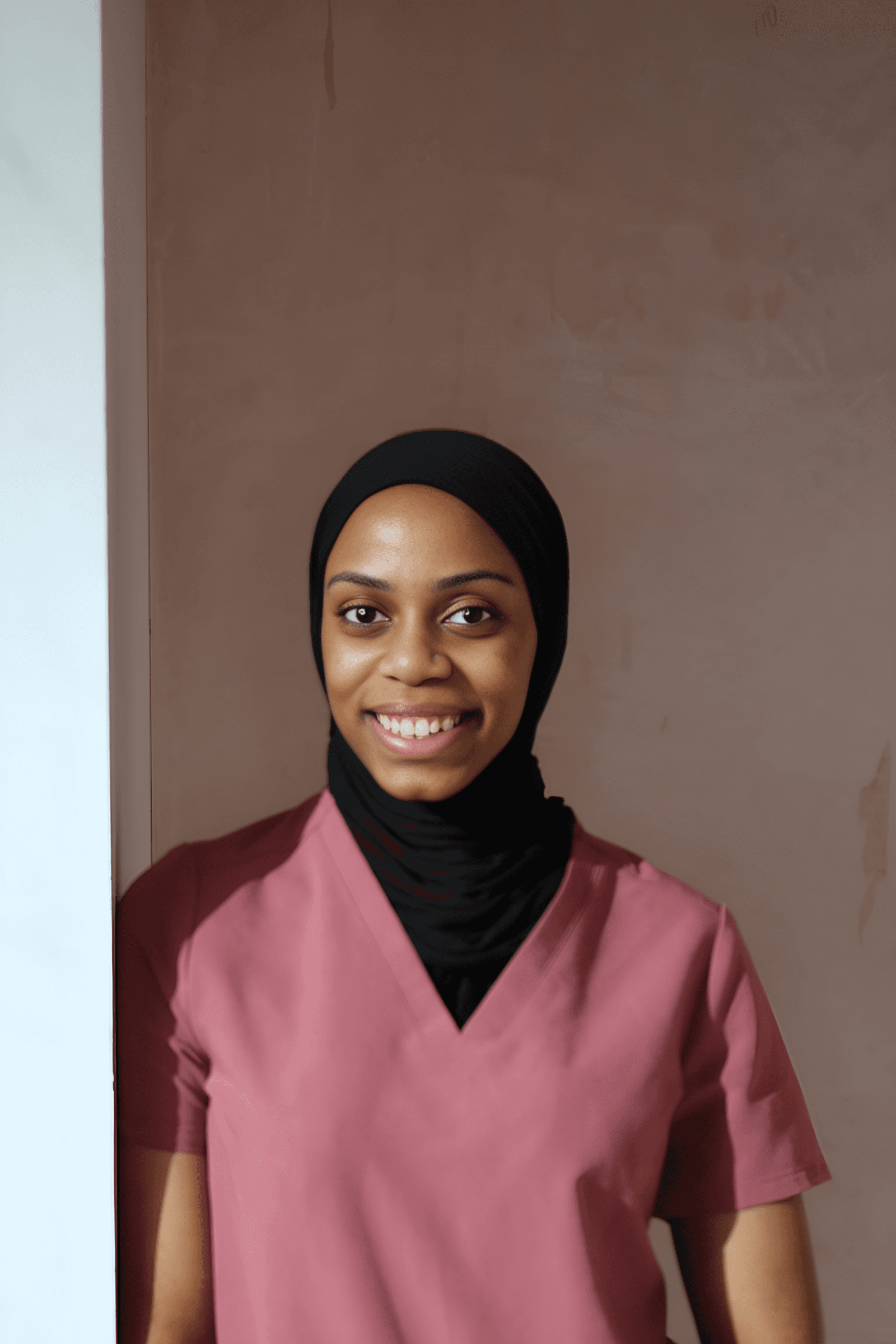
Dental Nurse
Halima Hashim
Popular Questions
Related Treatments
A quiet space in Battersea.
Monday 08:15 – 17:15
Tuesday 08:15 – 19:30
Wednesday 08:15 – 17:15
Thursday 08:15 – 18:00
Friday 08:15 – 18:00
Saturday 08:00 – 14:00
Sunday Closed
