
Orofacial Pain
Below you will find several types of orofacial pain described that might not be commonly known by your general dentist.
If you have any questions or would like to book an appointment, please ask for a Pain Consultation when reaching out.
Temporo-Mandibular-Disorders TMDs
Jaw Pain
”Clicky” Jaws’
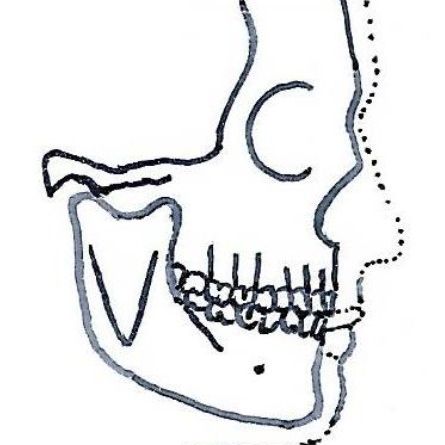
Some patients can suffer from clicking jaws, sometimes it is only one jaw joint, other times it could be both. These clicks can occur while opening the mouth, eating, also while yawning.
There are some studies showing a percentage of 30-50% of the population being aware of a clicking jaw joint.
You might become worried of these noises but as long as no pain or increase occurs, it is more bothersome socially rather than a health issue.
In some circumstances, the jaw will become painful, that is when the clicking jaw can then become a health concern.
"What kind of noises can I distinguish from my jaw joints?"
- A snapping or clicking sound when opening and/or closing the mouth. This sound is usually short, can snap quite aggressively, and can even be audible to people surrounding you.
- Sometimes the noise coming from your TMJ(s) might not be snapping but rather gritty. Clinicians might refer to it as crepitation.
This usually occurs in elderly patients from years of joint remodelling and arthrosis.
But is known that other causes can make this happen in younger people too. This gritty sound can be due to changes within the joint, more specifically the cartilage. It usually is not audible to your surroundings and only you usually can hear this.
These noises can become painful when the joint is overloaded and over-used. An inflammatory reaction then starts and pain arises.
" What are Temporomandibular disorders?"
Jaw Joint and chewing muscle disorders, complaints, and pain are called Temporomandibular disorders. They are linked to a wide range of symptoms.
Possible symptoms - Most known:
- Click felt in or in front of your ear while opening the mouth. This click can be benign and harmless as a result of remodelling to adjust to your lifestyle, environment, changing anatomy, etc. As previously noted, 30-50% of the population may experience a clicking sound in their TMJ.
- Pain in the jaws
- Limited opening of the mouth
- Stiff and sore jaws
- Headaches
- Pain to one or both ears which can in rare cases increase Tinnitus
- Fatigue when chewing
- Lack of sleep
Most common causes
The biggest risk factor is overstimulation of the chewing-system. Consistently using your TMJs and chewing muscles improperly can lead to overload, inflammation, tendinopathy, and pain over time.
The chewing system’s main functions are eating, swallowing, and it also helps with breathing. Most TMD patients do a lot more with their jaws than what the TMJs are intended to do. These extra actions are called parafunctional habits.
The most renowned parafunctional habit is teeth grinding. However, this is often not the most commonly present parafunctional habit. More often, TMD patients are teeth clenchers, tongue tenser, lip biter, nail biters, cheek chewers etc.
These most often occur during the day. They are subconscious coping mechanisms for the brain, who uses muscles (our strength organ) to handle a difficult situation. They can occur while:
- Having stress
- Doing repetitive work like typing, cutting veggies etc
- Lifting heavy weights, like carrying groceries, children, going to the gym etc
- Or during moments of deep concentration
Sadly, mostly night-time parafunctions are highlighted by dental professionals even if they are in the minority. Sleep bruxism is the sleeping disorder that causes parafunctions to happen during ones’ sleep. It is very important to differentiate both as there is scientific evidence showing that day-time bruxers are more likely to develop insomnia. If therapy for sleep bruxism is started when inappropriate, then insomnia can get worse.
If you suffer from TMDs, don't hesitate to reach out and book a TMD appointment with Amandine at Vere Dental-Aesthetics in Battersea.

Understanding Nerve Injuries
What are nerve injuries?
Orofacial nerve injuries involve damage to the nerves in the face, mouth, or jaw, often causing pain, numbness, or loss of function. These injuries can result from trauma, dental procedures, infections, or underlying medical conditions. Proper diagnosis and management are essential to prevent chronic pain or long-term complications.
Nerve injuries in the orofacial region (the face, mouth, and jaw) can lead to chronic pain, sensory changes, or motor dysfunction. Chronic orofacial pain is a complex condition that affects the nerves and brain system, often requiring specialized care to manage symptoms and improve quality of life.
How We Support Patients with Nerve Injuries
At Vere Dental, we are not orofacial pain specialists, but we closely collaborate with Dr. Renton and Dr. Elias, leading experts in the field. Together, we help their chronic pain patients access dental care tailored to their unique needs. Our goal is to ensure that patients with nerve injuries or chronic orofacial pain receive gentle, informed, and adaptive dental treatment that minimizes discomfort and supports their overall well-being.
Our Commitment to Research and Understanding
Amandine, a key member of our team, has actively researched nerve injuries during her time at King’s College London in the Neuroscience Division. Her work focused on MRI research, deepening her understanding of the complexities of nerve damage and its impact on patients. This experience allows us to approach dental care for patients with nerve injuries with greater empathy, precision, and evidence-based practices.
When to Seek Help
If you experience spontaneous sensory or motor nerve changes (e.g., numbness, tingling, or unexplained pain in the face or mouth), it is important to seek urgent advice. Your GP or dentist can refer you to a specialist for further evaluation. For more information, you can also visit the Orofacial Pain webite. If you are seeking a consultation with Professor Renton visit the Face Your Pain website, you can schedule an appointment with Dr Elias by visiting the Endo Academy website.
A Collaborative Approach to Care
We believe in a multidisciplinary approach to managing nerve injuries and chronic pain. By working closely with orofacial pain specialists, we ensure our patients receive coordinated, compassionate care that addresses both their dental and pain management needs. If you or someone you know is struggling with nerve-related pain, reach out to us to discuss how we can support your journey to better oral health.